Sensory integration and therapy room equipment
Therapy that looks like play
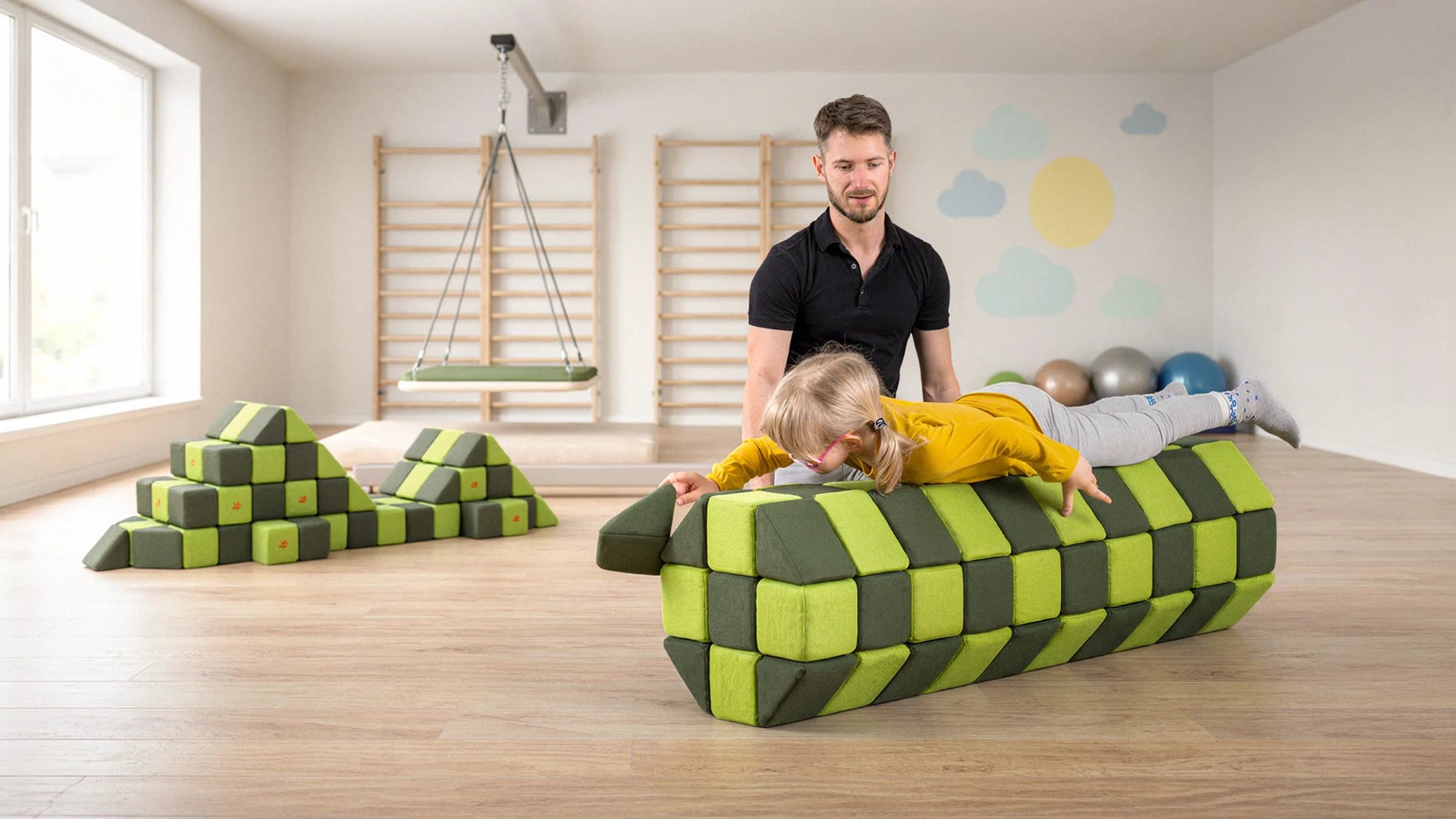
Turn your therapy room into a space full of safe movement, calm and a natural reason to keep exercising. JollyHeap large soft magnetic blocks combine what sensory integration and rehabilitation equipment does with a form children see as play, so one set equips a sensory integration room. Children take on hard physical and manual challenges without pressure and without fear of falling.
How JollyHeap blocks support therapy and sensory development
One set of sensory integration resources that you adapt to each child’s needs and limits. Pick an area to see exactly what happens for the child.
Body and senses
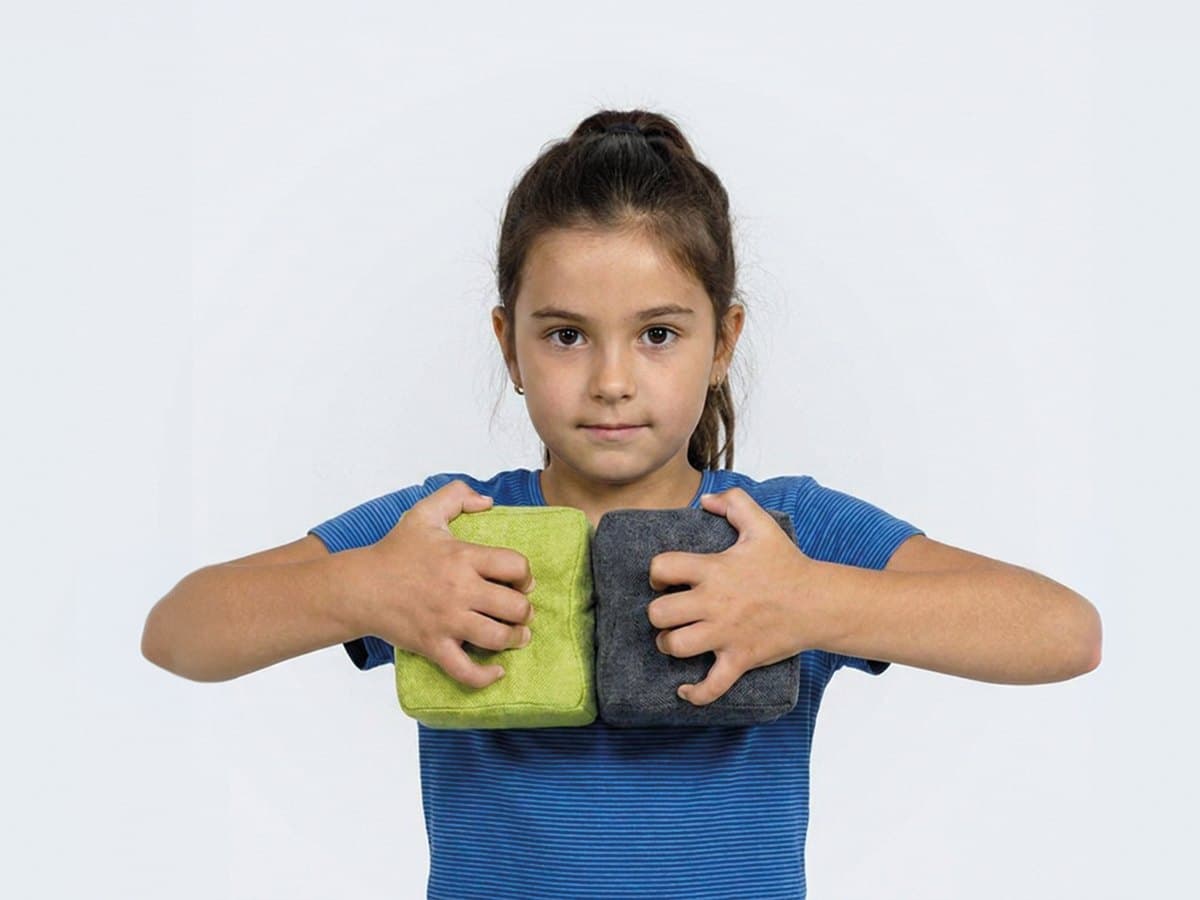
Working against the magnetic resistance as blocks come apart delivers strong proprioceptive input and builds the muscles of the hand and shoulder girdle. Carrying and stacking large modules engages the postural muscles and stabilises the spine. The child does real resistance training and treats it as a game.
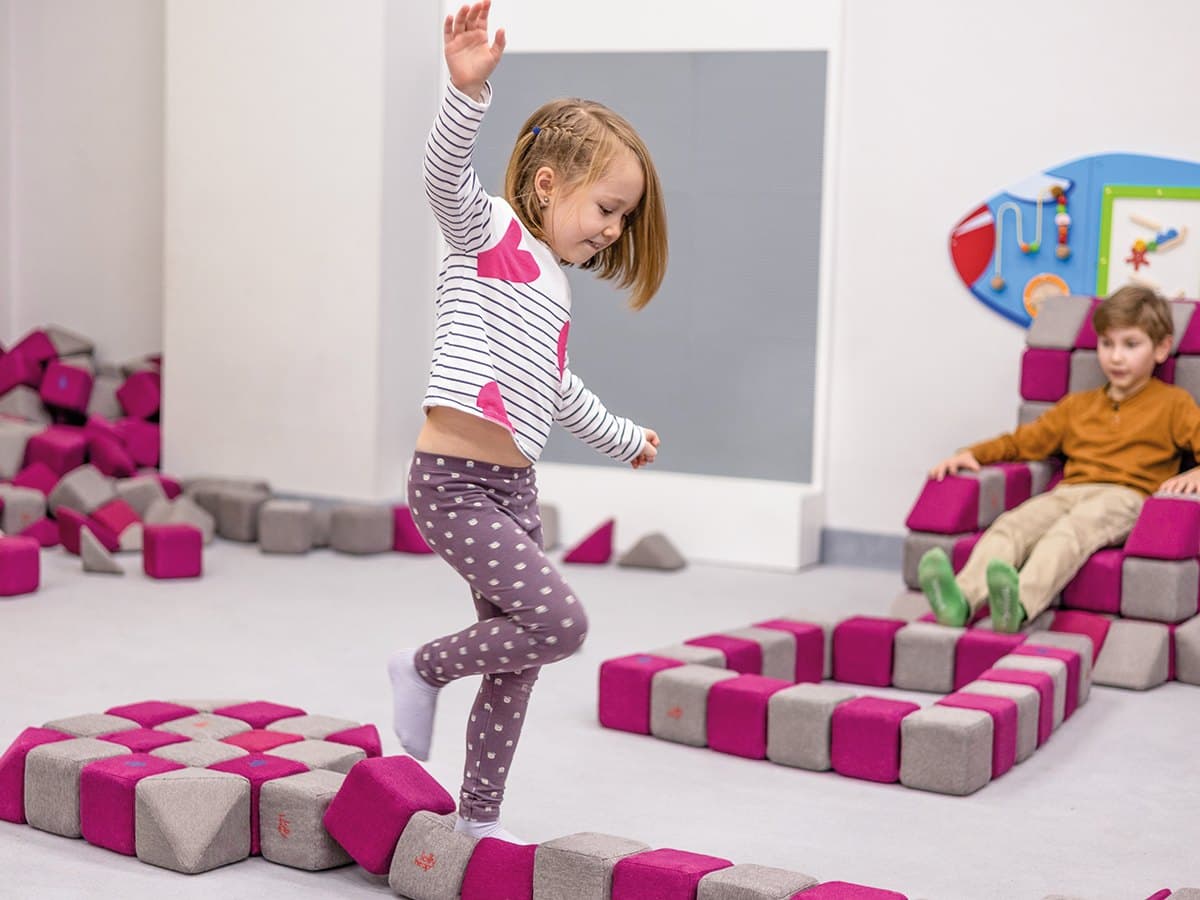
In a few minutes the blocks become a stable rocking roller, a balance path, steppers or an obstacle course at the height you choose. Exercising on a soft surface stimulates the vestibular system and develops protective reactions, coordination and motor planning.
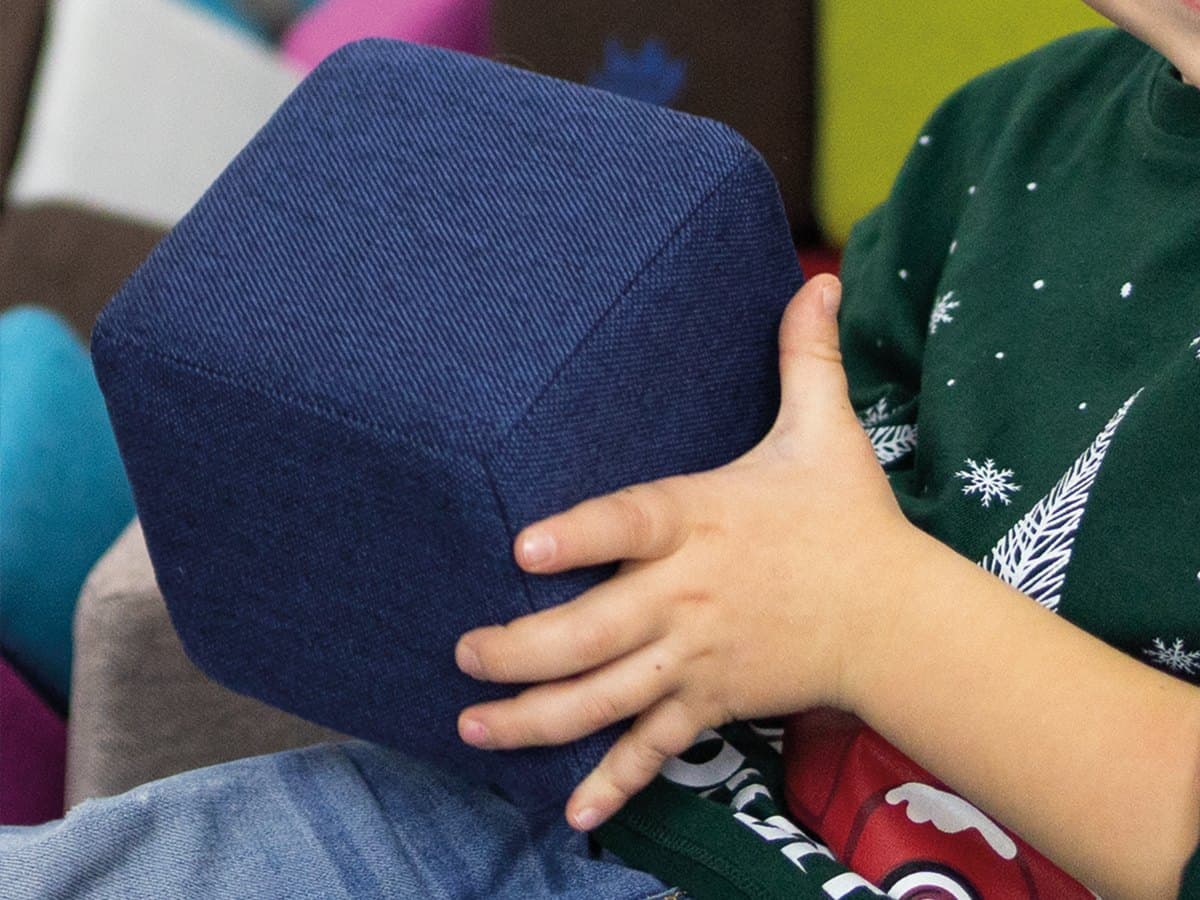
The 12 × 12 × 12 cm block is sized for a child’s hand, which makes it work well as a hand therapy resource. Grasping, squeezing and joining pieces in alternation trains the cylindrical and pincer grip and control of pressure, and prepares the hand for learning to write.
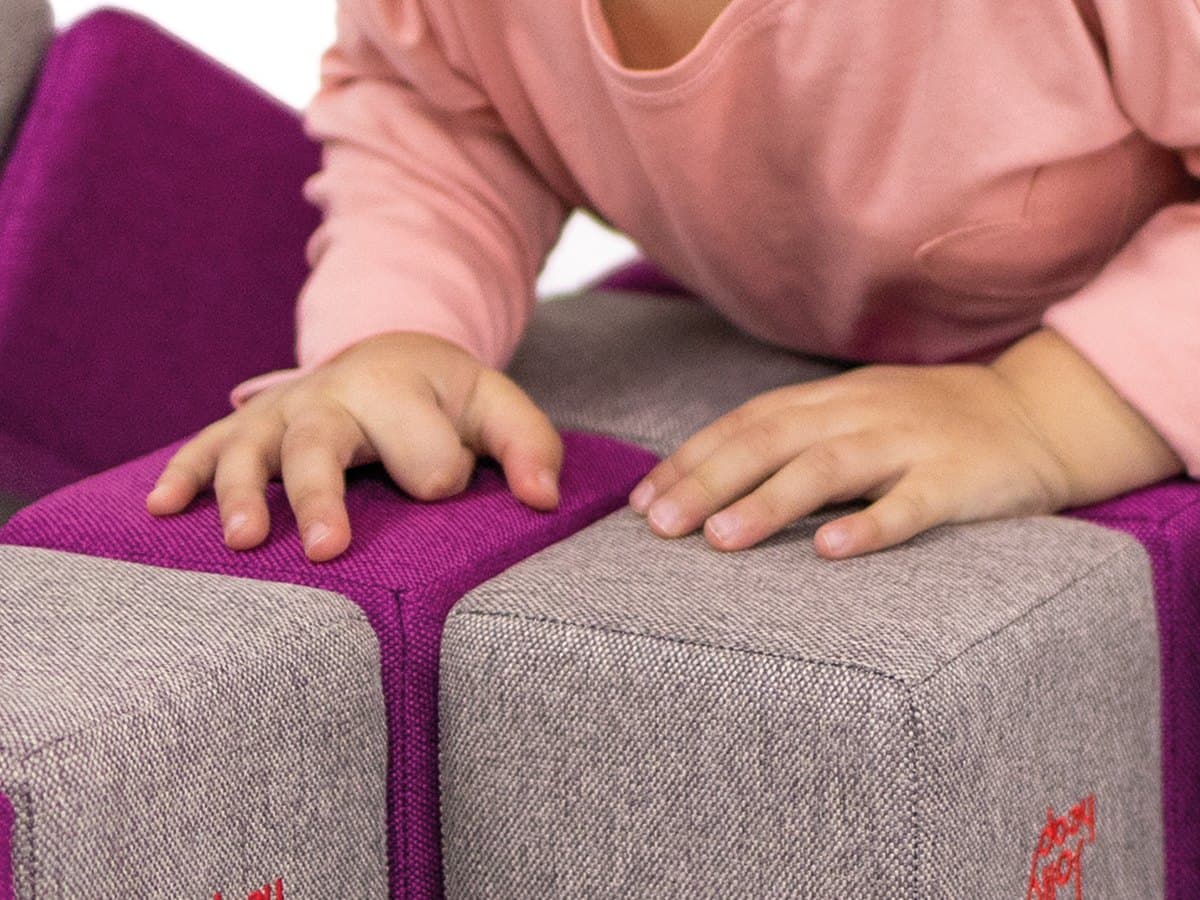
Dense upholstery fabric with a pronounced texture and high-resilience polyurethane foam deliver rich tactile input. They help children with tactile hypersensitivity or hyposensitivity meet new textures safely.
Regulation and relationships
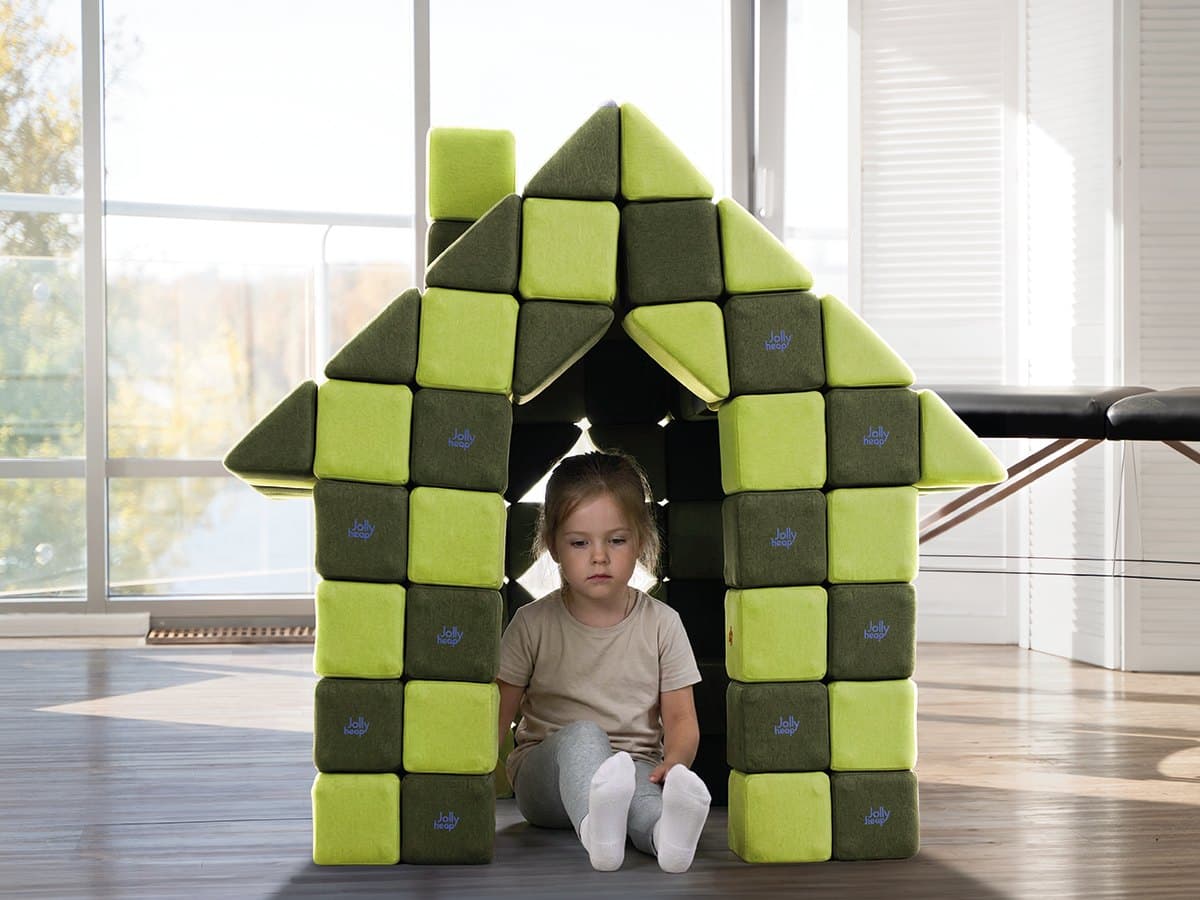
Polyurethane foam and fabric absorb sound. Structures fall quietly, so there is no sudden noise to trigger anxiety. In a few moments you can build a soft, quiet hideout, a house or a tunnel, where an overstimulated child can shut out stimuli, calm down and regain self-control.
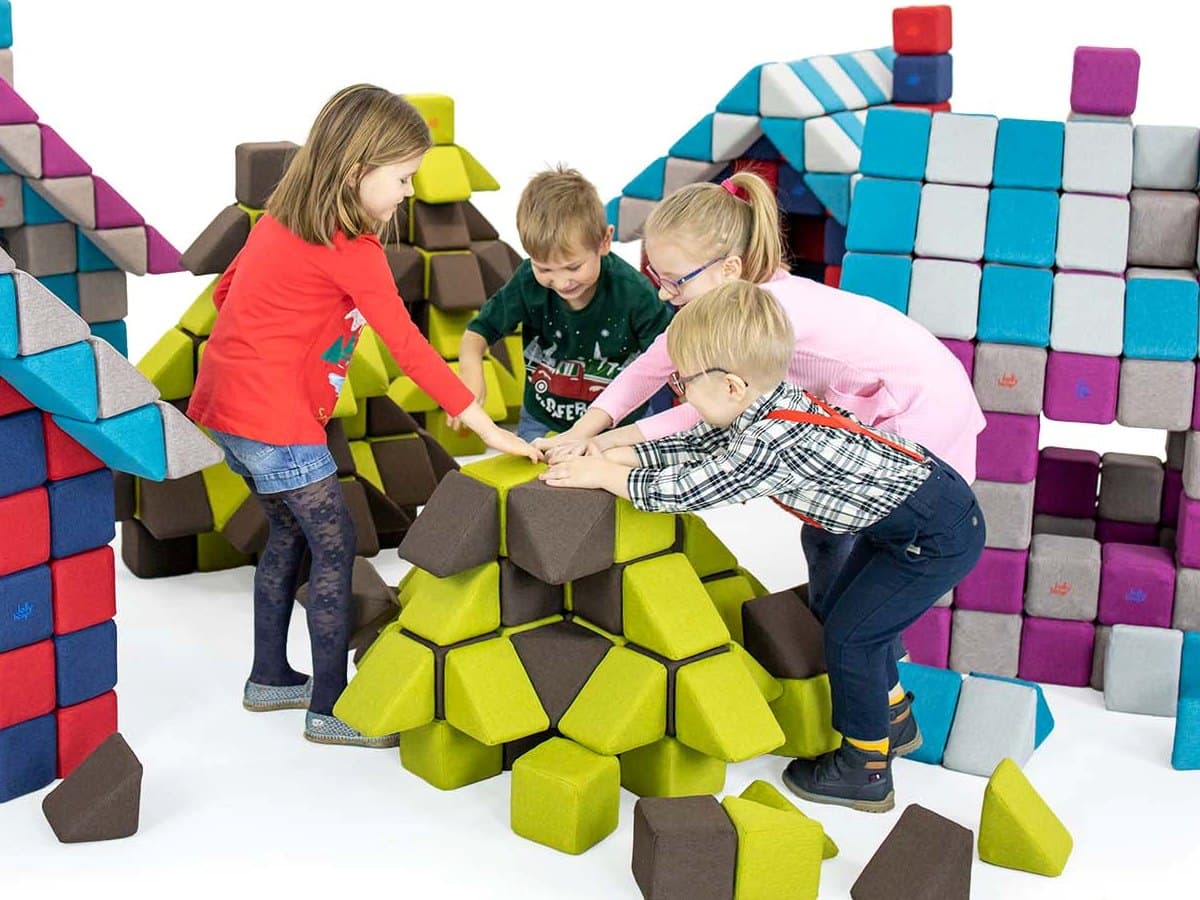
Raising a large structure together needs no words. The blocks become a natural bridge to peers for children with autism, aphasia or delayed speech, building cooperation and a sense of agency.
Specialist opinions
Therapists build with JollyHeap

I use JollyHeap blocks as a mat, a physiotherapy table, obstacle courses, balance paths, coordination ladders, slides, weights, steppers and a rocker. Children treat this hard training as play.

A sensory integration room in minutes
Why choose JollyHeap® blocks for a therapy room or setting
One set instead of several separate pieces of equipment
Instead of buying and storing separate mats, rollers, platforms, cubes and wedges, you fit out your therapy room with one set. You rearrange it into a physiotherapy table, an obstacle course or a calm-down corner in a few minutes.
Children want to do the exercise
Children do not see medical equipment or an exercise device in JollyHeap. To them it is an enormous, appealing toy. They start moving without pressure, and demanding motor work happens inside the game.
Softness takes the fear out of falling
During balance work or climbing, a fall doesn’t hurt and doesn’t cause stress. Children with motor difficulties, or whose parents are anxious, are far more willing to push past their barriers and try new movements.
Recommended sets for therapy

Medium · 50 blocks
A sound way into a single therapy or physiotherapy room. Enough for one working station: a rocker, steppers, a simple path.
€941incl. VAT, plus shipping

Basic · 100 blocks
The usual choice for therapy rooms and specialist settings. Enough for full obstacle courses, mats and calm-down bases.
€1,811incl. VAT, plus shipping

Joy · 150 blocks
A sensory integration set for a large sensory room, a rehabilitation centre and group sessions for children with SEN.
€2,718incl. VAT, plus shipping
An investment that works for years
You buy one tool and use it in many ways. For years, with no electronics that break down, no plastic that snaps, and no tiny parts that get lost in no time.
Built to last
Six years in a playroom is just a warm-up. After six years in our showroom the blocks still looked good enough for a commercial photo shoot.
Service & warranty
3-year warranty, 10 years on the magnets, and after that we replace worn blocks at a preferential price.
Made in Poland
Producing a single block takes 6 people and 25 minutes of handwork.
Quality that builds trust

The magnetic blocks encourage children to stack, construct and rebuild, while at the same time promoting self-directed movement. Among other things, they develop the ability to balance, which is regarded as a core competence for school readiness and plays a major role in reading, arithmetic and writing. Attention and the ability to concentrate also depend on it.

JollyHeap blocks let you freely reshape the space for work, therapy, rest and play — the child’s entire environment. Countless building options let you create structures tailored to each child’s individual limitations and dysfunctions.
The quality and design of JollyHeap magnetic blocks are top-notch. They’re lightweight, soft, and meticulously crafted.


Free play with these blocks brings our children much joy and satisfaction.
We have been using JollyHeap’s magnetic soft blocks at rabatzz! in Hamburg for several years now, and their quality, safety and versatility have won us over for good. They are soft, safe and durable — and after years of use they have lost none of their pull. We would choose them again any time and recommend the product without reservation.


Our children haven’t been able to tear themselves away from playing for a week now. The magnets inside are practically imperceptible — and yet the blocks still “cuddle”, as our children put it. We warmly recommend JollyHeap blocks to every educational institution and to parents looking for valuable, safe and creative toys.


The JollyHeap magnetic blocks have truly been a game-changer. They offer children enthralling, creative playtime.
How many blocks do you need?
Answer four quick questions for a tailored recommendation.
Get in touch
Questions or a custom order? We’ll get back to you fast.
Frequently asked questions
What sensory room equipment can you build from blocks?
Large soft magnetic blocks let you build the sensory integration equipment you would usually buy separately: a rocking roller, a balance path, steppers, an obstacle course and a hideout for calming down. The layout changes in a few minutes to suit the child. The blocks are soft on every side, so even a course that falls apart doesn’t crash.
Which sensory systems do JollyHeap® blocks stimulate during sensory integration work?
The blocks engage three sensory systems at once. Proprioceptive, that is deep pressure: working against the magnetic resistance, carrying large modules and moving against one’s own body weight deliver strong joint and muscle input and build the postural muscles. Vestibular, that is balance and movement: a rocker, steppers at varying heights or a dynamic obstacle course stimulate balance and protective reactions and control of the body in space. Tactile: children meet dense, pleasant upholstery fabric and high-resilience polyurethane foam, which supports tactile desensitisation and tolerance of different textures.
How do the blocks work with sensory seekers and with children who are hypersensitive?
The blocks answer the needs of children at both ends of the sensory profile. For sensory seekers they serve exercises that demand force and pressure: throwing, working against the magnets, building tall structures and knocking them down under control, which meets the need for proprioceptive input safely. For hypersensitive children, including those with gravitational insecurity or auditory and tactile defensiveness, the soft fabric, the absence of hard edges and the quiet collapse give a sense of safety. The foam absorbs sound, and a quiet hideout goes up in moments, so an overloaded child can get back in control.
How does JollyHeap® support children with motor planning difficulties (dyspraxia)?
Before a child moves along an obstacle course made of blocks, they have to work out how to build it. Because the set is easy to change, the therapist can adjust height, spacing and the order of elements as they go. The child learns to judge distances, to sequence whole-body movements and to match effort to changing conditions.
Are the magnets safe for children with disabilities or behavioural difficulties?
Yes. The neodymium magnets are enclosed inside the block, surrounded by springy, high-resilience polyurethane foam and dense, reinforced upholstery fabric. Every block goes through an X-ray check before it ships. It is the same method a doctor uses to check whether a child has swallowed a foreign object. The check rules out sharp or foreign metal parts inside the block.
Do you need a therapy qualification to run sessions with JollyHeap® blocks?
No. The blocks are a standing tool for physiotherapists and sensory integration therapists, but they are simple to use and the material forgives mistakes: there are no hard edges, and a structure collapses quietly without hitting anyone. A teaching assistant, a support teacher or an after-school club leader can run sessions aimed at movement, coordination and self-regulation.